Rare diseases affect more than 500,000 people in Belgium. They remain difficult to diagnose, inadequately treated, and often desabling. That is why the Generet Award for Rare Diseases was created in 2018 by the Generet Fund, managed by the King Baudouin Foundation. This award is administered by the FNRS and is presented each year to a researcher whose work has the potential to change the lives of patients. The 2025 award has just been given to a research project on Charcot's disease.
It is estimated that between 6,000 and 8,000 rare diseases have been identified worldwide, and new conditions continue to be discovered as genetic and molecular research progresses. Taken together, these diseases affect 5 to 6% of the population.
Essential support
“Supporting research on rare diseases is essential because, taken individually, these conditions affect small patient groups, but collectively they concern a very large number of people, explains Sofie Bekaert, Head of the Health Program at the King Baudouin Foundation. Most rare diseases are severe, chronic, and often life‑threatening, with symptoms appearing early in life and significantly affecting patients’ quality of life. For the vast majority of these conditions, there is currently no curative treatment and diagnostic delays are common. Because rare diseases are, by definition, less prevalent, they often receive limited attention from traditional research funding and pharmaceutical investment. Public and philanthropic support is therefore crucial to drive innovation, improve diagnosis, and develop new therapeutic approaches. Investing in rare disease research is not only a matter of equity for patients and families, but also a powerful driver of scientific progress, as discoveries in this field often lead to breakthroughs that benefit medicine more broadly.”
Funding cutting-edge research
It is for all these reasons that the Generet Award for Rare Diseases was created. It is one of the most prestigious Awards in Belgium, both in terms of the prize money and the distinction that accompanies it. It is awarded by the Generet Fund, managed by the King Baudouin Foundation, and administered by the FNRS. Until 2025, the prize amounted to €1,000,000 over four years; it now amounts to €1,250,000 over four years. It is intended to offer a leading researcher the opportunity to carry out pioneering work in the field of rare diseases.
“The Generet Award for Rare Diseases plays a particularly important role because it focuses on leading fundamental research, which is the foundation for future medical breakthroughs, says Sofie Bekaert. Fundamental research helps to unravel disease mechanisms, identify biological targets, and open entirely new research pathways – steps that are indispensable before clinical applications can be developed. By providing substantial support to outstanding researchers, the Generet Award enables ambitious projects that might otherwise struggle to secure funding. In this sense, the Award can indeed be considered a key driver of rare disease research in Belgium, strengthening scientific excellence, opening pathways to translation into practice, increasing international visibility, and helping to position Belgium as a leader in this field.”
Research into Charcot's disease rewarded with the 2025 Generet Prize
The 2025 Prize has just been awarded to Professor Dr. Albena Jordanova of the Center for Molecular Neurology at VIB–University of Antwerp. The researcher is being honored for her in‑depth and innovative research into Charcot‑Marie‑Tooth (CMT) disease - a hereditary nerve disorder that progressively undermines patients’ daily lives. This is the most common hereditary disorder of the peripheral nervous system, affecting one in every 2,000 people.
Her laboratory is working on a specific form of CMT caused by a mutation in a protein called tyrosyl-tRNA synthetase. Her research team's goal is to understand why mutations in this protein can cause a degenerative disease that affects only the peripheral nervous system.
Significant progress
Since its creation, the Prize has recognized eight outstanding research projects, all of which are crucial for patients and their loved ones: the first winner was Miikka Vikkula, a biomedical scientist and full professor at UCLouvain, who was recognized for his work on the genetic causes of vascular abnormalities, paving the way for new treatments. He was followed by Steven Laureys (ULiège) for his work on altered states of consciousness caused by severe brain damage; Pierre Vanderhaegen (VIB-KU Leuven Centrum voor Hersenonderzoek and ULB) for his research on brain development and anomalies; Rosa Rademakers (VIB-UAntwerpen) for her work on rare forms of frontotemporal dementia; Ludo Van Den Bosch (VIB - KU Leuven) for his research on amyotrophic lateral sclerosis (ALS), better known as Charcot's disease; Sabine Costagliola, FNRS Research Director at ULB, for her work on rare thyroid disorders; and Patrik Verstreken (VIB-KU Leuven) for his research on early-onset dementia.
“The Generet Award has enabled significant progress by giving researchers the means to explore innovative and high‑risk scientific questions related to rare diseases, insists Sofie Bekaert. Thanks to this support, awardees have been able to deepen the understanding of disease mechanisms, develop novel experimental models, and generate knowledge that lays the groundwork for new diagnostic or therapeutic strategies. Beyond individual research results, the Award has also had a broader impact by fostering interdisciplinary collaboration, attracting young talent to the field of rare diseases, and accelerating the translation of fundamental discoveries into potential clinical applications. While fundamental research does not always lead to immediate treatments, it is a decisive step toward long‑term solutions for patients and families affected by rare diseases.”
The call for proposals for the Generet Award 2026 is open until April 20, 2026.

Sofie Bekaert, Head of the Health Program, King Baudouin Fondation
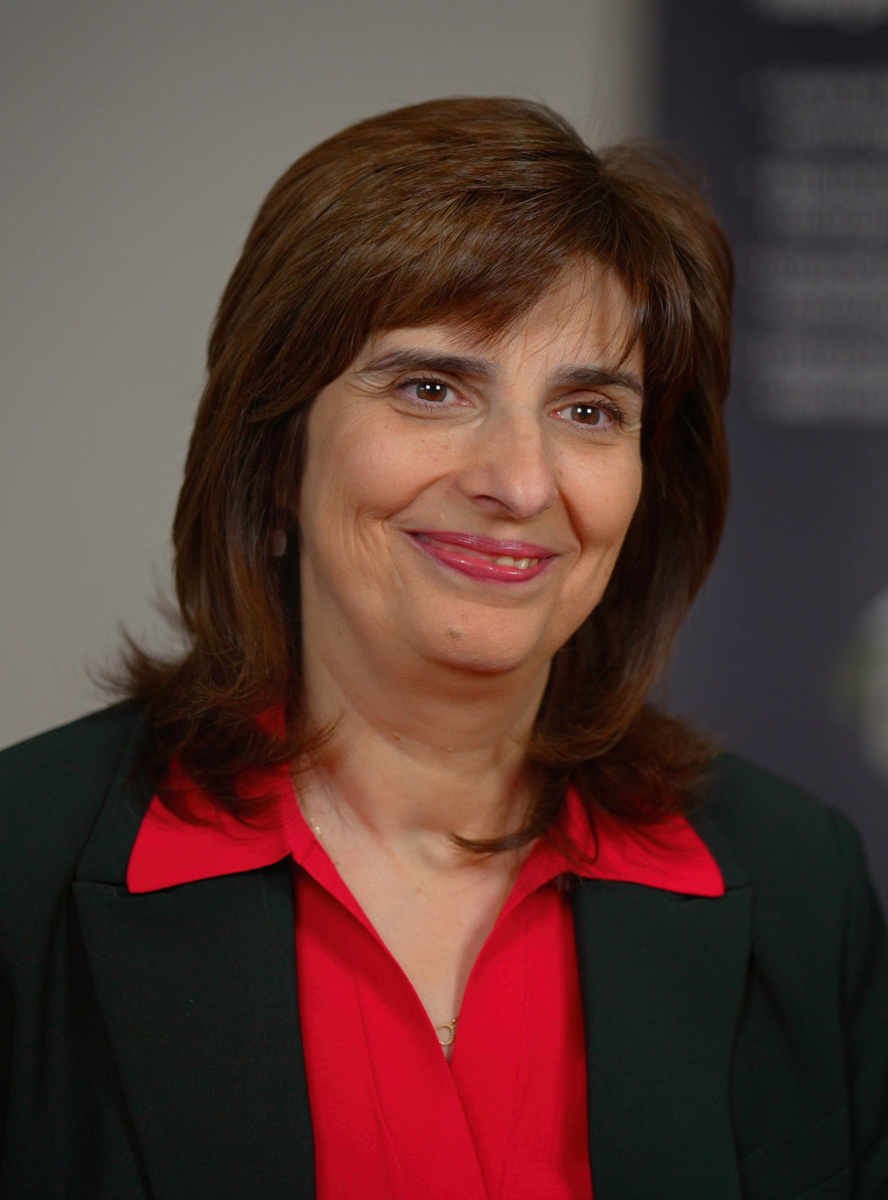
Professeure Dr Albena Jordanova, VIB-UAntwerp, laureate of the Generat Award 2025
More information on the 2026 call
More information on the 2025 laureate
More information on the Generet Award for Rare Diseases: generetaward.be