
Support research
By supporting the FNRS, you become an essential link in the chain of knowledge. Together, let's advance science, today and for tomorrow.
Help research
Basic research has a huge impact on every aspect of our lives. It guarantees medical and technological advances, and more generally economic and social progress.
Making a donation to the FNRS means becoming a partner of our researchers, helping them to open new avenues of research or to pursue work that may prove decisive for the future of our entire society.
Your donation, one-off or regular, directly supports researchers funded by the FNRS.
“Science is the engine of progress, research is at its heart. »

By transfer
IBAN: BE55
BIC: GEBABEBB
Communication: +++202/0019/00216+++

Testimonials
Why include the FNRS in your will?
Transmitting a better world is already being part of it.
By adding the FNRS to your will, you continue to support research and leave a legacy to society as a whole. You fuel an engine of medical, social, environmental and economic progress; you contribute to preserving and improving the living conditions of future generations.
“We only live fully when we give meaning to what we transmit. »

Need information to write your will, make a bequest or a donation?
Do you want free and confidential advice?
Contact our team
successions@frs-fnrs.be
02 504 92 27
Including the FNRS in your will means helping to support important scientific advances. Here are some of the discoveries of our researchers :
A team from ULiège has identified a new mechanism within lung cancer cells, opening the way to new therapeutic approaches to slow metastases.
Researchers at ULB have discovered a new population of neurons which could play a role in Parkinson's disease, with the hope of a new treatment.

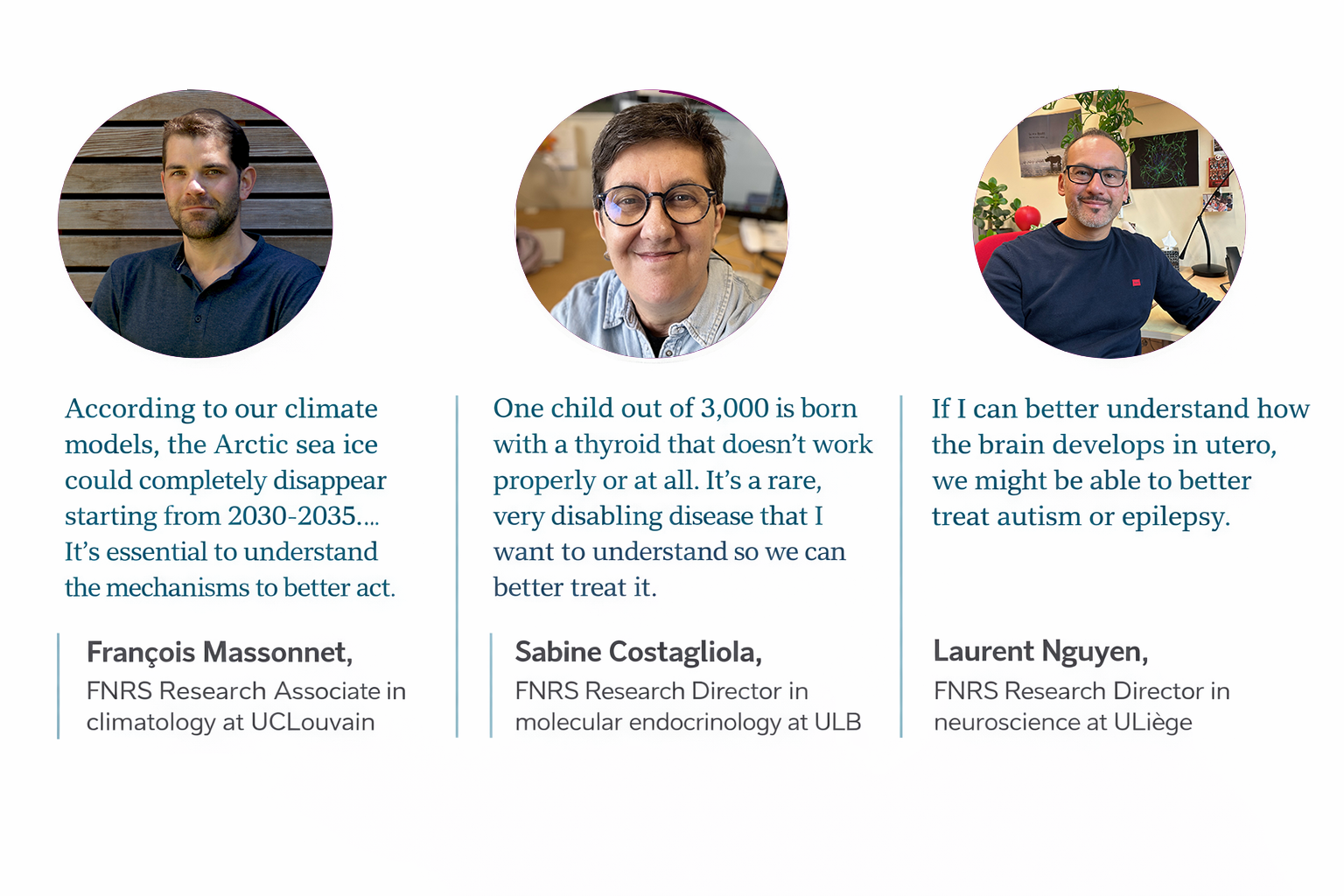
A team from UCLouvain has calculated that the Arctic sea ice could disappear from 2030 or 2035, warning of the need to act quickly.

Researchers from ULiège have spotted the smallest asteroids ever observed, an important discovery in the context of Earth's planetary defense.

Giving Meaning to the Loss of a Loved One
Losing a loved one is a painful ordeal. If you wish to pay tribute to him by supporting research or respect his last wishes, the Donation In Memoriam allows you to make sense of this disappearance.
Mention a donation to the FNRS on the obituary notice:
IBAN: BE55 0016 0000 0044 – BIC: GEBABEBB
Communication: In memory of [First and Last Name]
Need more information?
Contact Micheline Dellyiannis : micheline.dellyiannis@frs-fnrs.be | 02 504 92 68
“Knowledge does not replace the absence, but it can shed light on its meaning. »

Prices and sponsorship
For many years, the FNRS has worked in close collaboration with several individuals and organizations wishing to encourage research in all fields of science.
These sources of funding, which come from the private sector and which complement public funding, are essential: they allow the FNRS to finance thematic research projects, additional operating credits for young researchers, and particularly daring research projects, in accordance with the values and wishes of patrons.
Thanks to these, the FNRS can grant scientific prizes aimed at rewarding a researcher or a research team for particularly innovative work in a specific field. It can also finance the work of researchers for a specific period. Our patrons thus support the research of tomorrow and are fully involved in medical, economic and social progress.
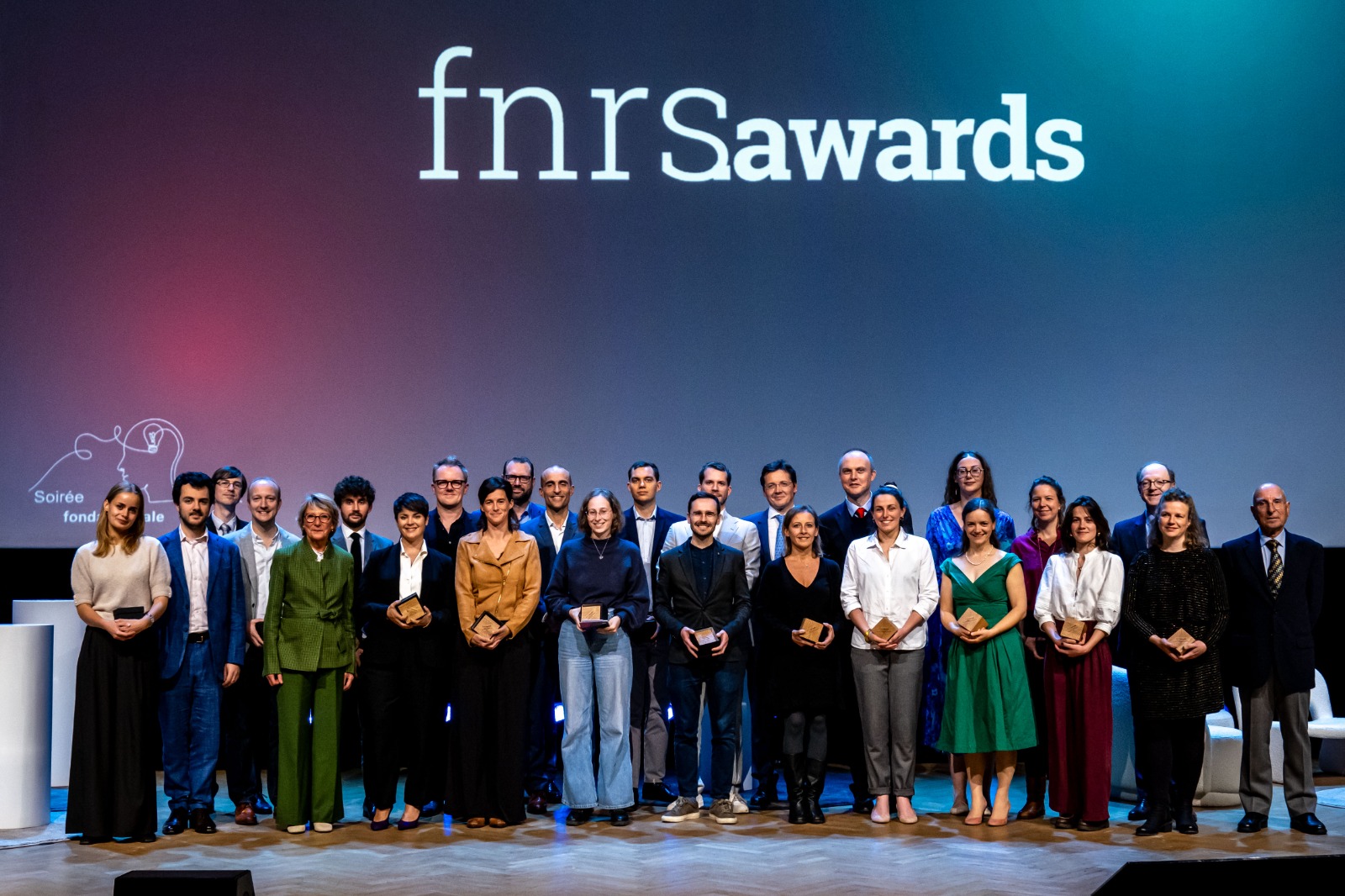
Individuals or companies: get involved with the FNRS to support research on themes that are important to you.
Contact Bruno Moraux, Head of the FNRS Awards and Patronage Department
bruno.morals@frs-fnrs.be | 02 504 92 40
Discover how our patrons advance scientific research
Thanks to a Prize from the AstraZeneca Foundation, Charlotte Beaudart, researcher at UNamur, is working on sarcopenia, a disease linked to aging which can affect us all from the age of 50. Video

Thanks to the Generet Prize for rare diseases, awarded by the Generet Fund, managed by the King Baudouin Foundation, Miikka Vikkula (UCLouvain) was able to pave the way for new treatments for patients with vascular anomalies. Video
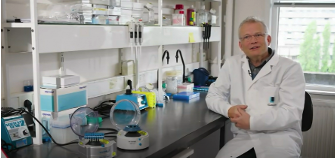
Thanks to an Audacious Medical Grant, made possible through philanthropic support, Michaël Herfs (ULiège) was able to demonstrate that different cancer cells share a common origin. This discovery opens up new avenues for understanding tumour heterogeneity, a major challenge in oncology, particularly in explaining why some tumours develop resistance to treatment. New
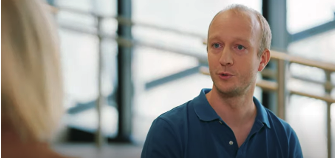
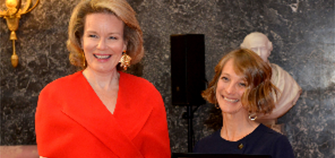
Coraline Radermecker, Research Associate at ULiège, recipient of the 2025 Baillet Latour Medical Award for her research on lung infections “This Award changes everything! Receiving such a prestigious and significant award greatly enhances the international visibility of my research. It also enables me to carry out my research using cutting-edge techniques and to fully realise the potential of this project.” Vidéo




“Research funding should not be considered as an expense but as an investment. »